


Contents:
- The Problem That Held Milk Chocolate Back
- From Swiss Innovation to Global Staple
- What Makes One Milk Chocolate Bar Different From Another
- Common Mistakes to Avoid When Buying Milk Chocolate
- Regional Differences Worth Knowing
- A Seasonal Note
- Examples Worth Trying
- Conclusion
- FAQ
- Who actually invented milk chocolate?
- Why does milk chocolate sometimes develop a white film?
- Is European milk chocolate always higher in cocoa content than American brands?
- What’s the best way to store milk chocolate at home?
A lot of people assume milk chocolate is just “chocolate with milk added,” a simple variation that came along shortly after dark chocolate and never changed much since. That’s not really the case, and the actual history involves a specific technical breakthrough that took decades to get right.
Short answer: milk chocolate became a global favorite because Swiss chocolatier Daniel Peter solved a stubborn technical problem in 1875 — how to combine milk with chocolate without the mixture spoiling or separating — by using condensed milk developed by his neighbor, Henri Nestlé. That single innovation, refined further by companies over the following decades, turned milk chocolate from a novelty into the most widely consumed chocolate category in the world.
The Problem That Held Milk Chocolate Back
Chocolate makers had tried adding milk to chocolate for years before Peter’s breakthrough, but liquid milk contains water, and water doesn’t mix well with cocoa butter — the two separate and the mixture spoils quickly. Peter’s solution used condensed milk, which had most of its water content removed, allowing it to blend smoothly into the chocolate without the spoilage problem. This wasn’t a minor tweak; it was the missing piece that made shelf-stable, mass-producible milk chocolate possible for the first time.
From Swiss Innovation to Global Staple
Once the technical hurdle was solved, milk chocolate spread quickly through Europe and eventually worldwide, helped along by companies refining the formula further over the following decades. Milk chocolate production expanded across Switzerland, Belgium, Austria, and Germany, each region developing slightly different ratios of cocoa, milk solids, and sugar that shoppers can still taste today. By the mid-20th century, milk chocolate had overtaken dark chocolate as the most popular chocolate category across most Western markets, a position it still holds in 2026.
What Makes One Milk Chocolate Bar Different From Another
Three variables account for most of the flavor difference between brands: cocoa solid percentage, the ratio of milk powder to sugar, and how finely the ingredients are ground during processing. A bar with a higher cocoa percentage and less added sugar tastes noticeably less sweet and more complex, closer to dark chocolate in some ways while retaining milk chocolate’s characteristic creaminess. This is part of why a brand like Milka chocolate, known for its distinctly smooth, Alpine-milk-based recipe, tastes so different from a generic supermarket milk chocolate bar despite both falling under the same broad category.
Common Mistakes to Avoid When Buying Milk Chocolate
- Assuming all milk chocolate tastes the same. Cocoa percentage and milk source vary enormously between brands and regions, changing the flavor significantly.
- Storing it in the refrigerator. Cold storage causes sugar or fat bloom, a whitish film that forms on the surface and affects both texture and appearance, even though the chocolate is still safe to eat.
- Buying based on price alone. Cheaper bars often use vegetable fat instead of cocoa butter, which changes the melt and mouthfeel noticeably, even if the label still says “milk chocolate.”
Regional Differences Worth Knowing
Even within the US, milk chocolate preferences vary. The Northeast, with its strong European immigrant history, tends to have more retailers carrying imported European brands and a customer base generally more familiar with higher cocoa content bars. The South leans toward sweeter, more traditional American-style milk chocolate, reflecting broader regional taste preferences for sweeter desserts overall. The West Coast has seen the fastest growth in demand for higher cocoa percentage and single-origin options, part of a broader regional trend toward more specialty and premium food products. Understanding these regional leanings helps explain why the same imported bar might be a bestseller in one part of the country and a niche item in another.
A Seasonal Note
Milk chocolate sales spike predictably around three points in the calendar: Valentine’s Day in February, Easter in spring, and the winter holiday season from November through December. Producers typically release limited seasonal packaging and flavors around these windows, so shoppers looking for a specific European brand’s holiday edition should plan to order a few weeks ahead of each peak, since popular seasonal items sell out faster than year-round stock.
Examples Worth Trying
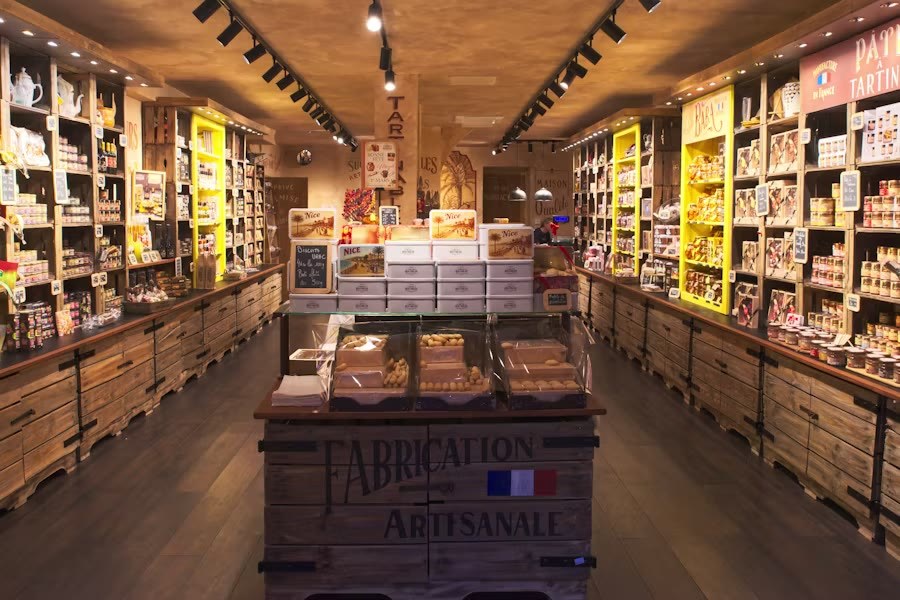
A well-stocked shelf of European chocolate typically includes a range from mild, high-sugar bars to more cocoa-forward options in the 35-40% range, giving shoppers room to compare within the milk chocolate category rather than assuming it’s a single flavor profile. Trying two or three different brands side by side, the way a wine tasting works, is genuinely the fastest way to figure out which style actually suits your taste.
Conclusion
Milk chocolate’s global popularity traces back to a specific 1875 breakthrough, not gradual coincidence, and the differences between brands today still come down to measurable factors like cocoa percentage and milk source rather than vague quality claims. Knowing what to look for on the label turns a routine purchase into a more informed one.
FAQ
Who actually invented milk chocolate?
Swiss chocolatier Daniel Peter developed the first stable milk chocolate in 1875, using condensed milk created by his neighbor Henri Nestlé.
Why does milk chocolate sometimes develop a white film?
That’s called bloom, caused by temperature fluctuations affecting the fat or sugar in the chocolate. It’s still safe to eat, just less visually appealing.
Is European milk chocolate always higher in cocoa content than American brands?
Generally yes, since EU minimum standards require more cocoa solids than US regulations, though individual brands vary within both regions.
What’s the best way to store milk chocolate at home?
A cool, dry pantry between 60-70°F, away from direct sunlight and strong odors, works better than refrigeration for maintaining texture and flavor.